

Audio

The issue of non-readers is an issue for all countries, as we see reading declining even in countries with high literacy rates. It has been estimated that in some African countries printed scripture only reaches around ten percent of the population. The challenge is therefore to develop translations that are relevant to the media, productions that are appropriate, and distribution systems for scripture that reach the non-reading population.

Viggo Søgaard argues for the kinds of Bible translation needed for non-reading populations, conforming to "the rules and requirements of spoken rather than written language". He describes the differences between oral and written communication and highlights some of the areas translators need to pay attention to when producing translations for audio media (emphasis, direct speech, intonation, context information).  [more...]

"Make a big effort to understand the full meaning of the text... Try to put yourself in the shoes of your character. Think of their character, their temperament, their behaviour. What do they like? What don’t they like?"

This is a list of advice for narrators and actors working on audio products for promoting Scripture Engagement. These could be dramatised Bible portions or Scripture relevance dramas.

The advice comes from a drama team with many years of experience in producing radio programmes in West Africa.  [more...]

"We know that just because someone has a printed Bible doesn’t mean they will use it. After the novelty has worn off, how can we encourage people to go on listening and engaging with God’s Word with their audio player?"

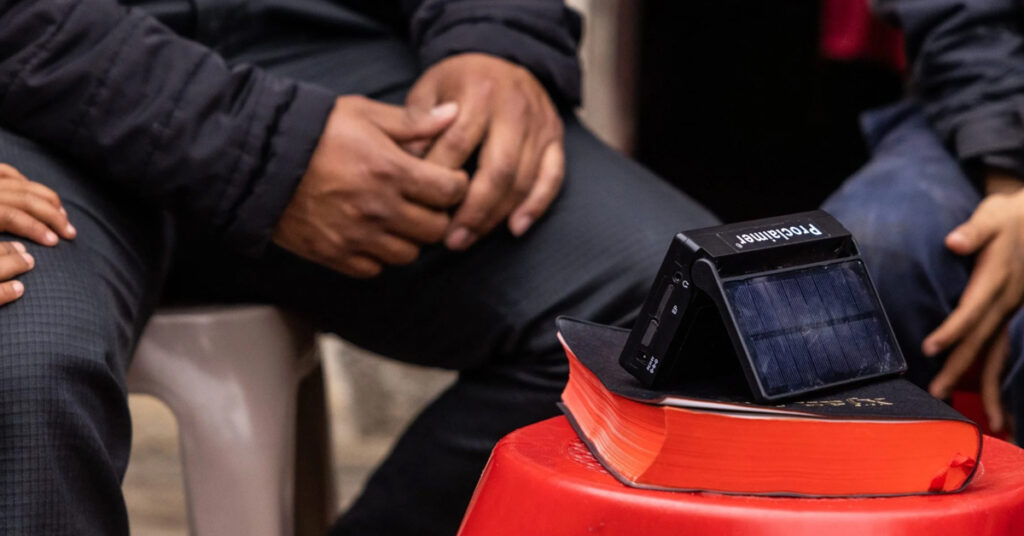
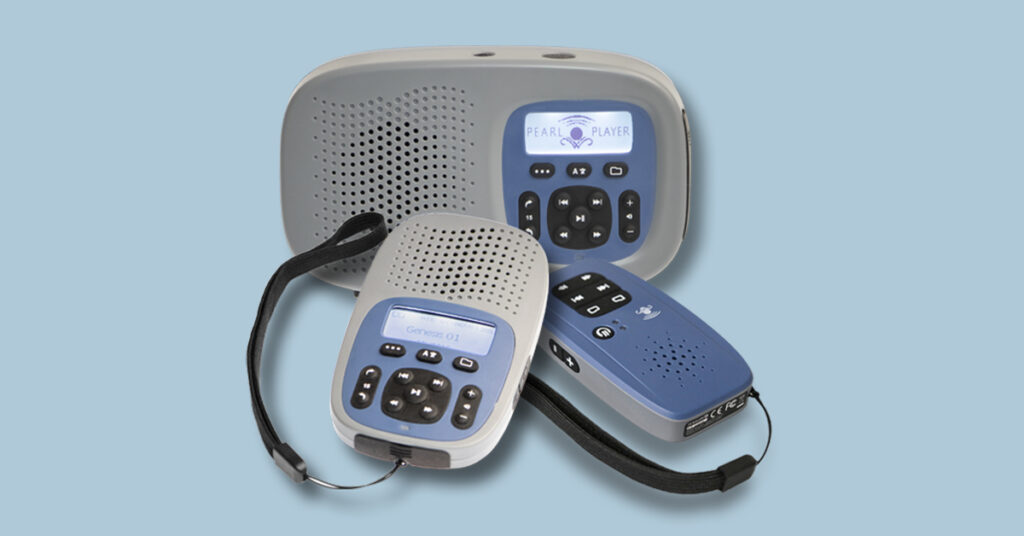
In recent years we’ve seen the launch of a number of multi-purpose digital audio players, designed for contexts without easy access to electricity: such as the MegaVoice Ambassador, the Saber, the Papyrus and the Audibible. They can contain hours of audio Scripture, songs, teaching, Bible stories, or whatever audio content you choose.

Suppose you had 10 of them, or 100, or 1,000? What would you do with them? Not only would you need to decide what to put on them, but you would also need to think about how people will get hold of them and put them to use.

This brief article describes 9 ideas for putting audio players to use, including listening groups, audio libraries, tools for pastors and evangelists, new communities and translation testing.  [more...]

What excites us most is that people who have never before led a Bible study are now having regular studies in their homes.

This article relates how Bible study cassettes on Genesis 1-11 and James have had a big impact on the Central Bontoc people of the Philippines. It outlines the format of the Bible studies and the ways they have been used both within churches and in evangelism, and how they support the development of literacy.  [more...]

The cassette dramas were very effective and listened to repeatedly.

The Ese Ejjas are a nomadic river people group of Bolivia. Joyce Prettol describes how no one was able to read Scripture with expression, as reading is a personal skill and not for entertaining others. So they decided to record dramatized Scripture. The cast spent time talking together about the story and then developed their dialogue. Prettol explains and gives examples of how they dramatized parables, miracles, and New Testament incidents. She also covers technical factors.